
Words & Reach
How do small businesses actually reach people in 2026?
- Author
- Ric Wood
- Published
Reaching people in 2026 means three things: making something worth paying attention to, putting it where your customers already are rather than expecting them to come to you, and turning that attention into an audience you own rather than one you rent from a social platform. Creating content has never been easier, which is exactly why being seen has never been harder. The businesses that win are the ones that understand the difference.
This is the starting point for Words & Reach, our series on getting your message made, seen, and remembered. Here we map how reach actually works now, honestly, for a small business with limited time. As the series grows, each part gets a closer look of its own.
What changed
Two shifts, both big. Search sends far fewer clicks than it used to, because AI now answers many questions on the results page without anyone visiting a website. And organic reach on social media has collapsed, with the major platforms quietly throttling posts that try to send people off-site; a typical business page on Facebook now reaches under two percent of its followers. On top of that, the internet is flooded with cheap, AI-generated content, so simply publishing more no longer works. The job has changed from producing volume to earning attention.
Make something worth attention
When anyone can generate endless mediocre content in seconds, mediocre content is worthless. What stands out is the opposite: genuinely useful, distinctive, human work that reflects something only your business has. For a real local business that is a deep advantage, because you have things an AI cannot fake: real expertise, real customers, real stories, real craft. Leaning into what is genuinely yours is now the whole game, and it is one big companies and content farms cannot easily copy.
Put it where people already are
Since the platforms punish posts that try to drag people away, the trick is to stop trying. Deliver the value where the person already is: inside the social post itself, inside the email, inside the answer. Make the post worth reading on its own, and you build recognition and trust even from people who never click through to your site. They remember you, and they come looking when they are ready to buy. This is a real change in mindset, and it is covered properly across this series.
Own your audience
Here is the most important idea in the whole cluster. Social media followers are not yours. They sit on rented ground, and the landlord can change the rules, throttle your reach, or change the deal overnight, and regularly does. An email list is different: it is an audience you own and can reach directly, no algorithm in the way. The single most valuable thing most small businesses can do is turn the attention they earn elsewhere into people on a list they control. Everything else in this series ultimately serves that goal.
Be honest about what works
The reach business is full of shortcuts that promise the world and quietly cost you: software that floods the web with AI articles, schemes to game the social algorithms, services that sell you followers. Most of it does not work, and a fair amount actively harms you. Throughout this series we will be as clear about what to ignore as about what to do. That honesty is the only kind of marketing advice worth having.
What this means for your business
You do not need to be everywhere or post constantly. You need to make a smaller amount of genuinely good work, put it where your customers actually are, and steadily build an audience you own. That is the approach behind the content work we do, and the email and owned-audience work that turns attention into something lasting. The rest of this series takes each piece in turn, from distribution and social platforms to email and the honest use of AI.
Words & Reach
Why your email list is the only audience you actually own
An email list is the one audience a small business truly owns. The plain-English guide to building one properly and legally in the UK, from BrainWeb.
Learn more
Words & Reach
How to get found when nobody clicks: distribution in a zero-click world
Creating content is easy now; getting it seen is hard. How small businesses distribute content in a zero-click world by delivering value where people already are.
Learn moreWords & Reach
Which social platforms are actually worth your time?
An honest 2026 guide to which social platforms are worth a UK small business's limited time, and which to ignore. From BrainWeb.
Learn more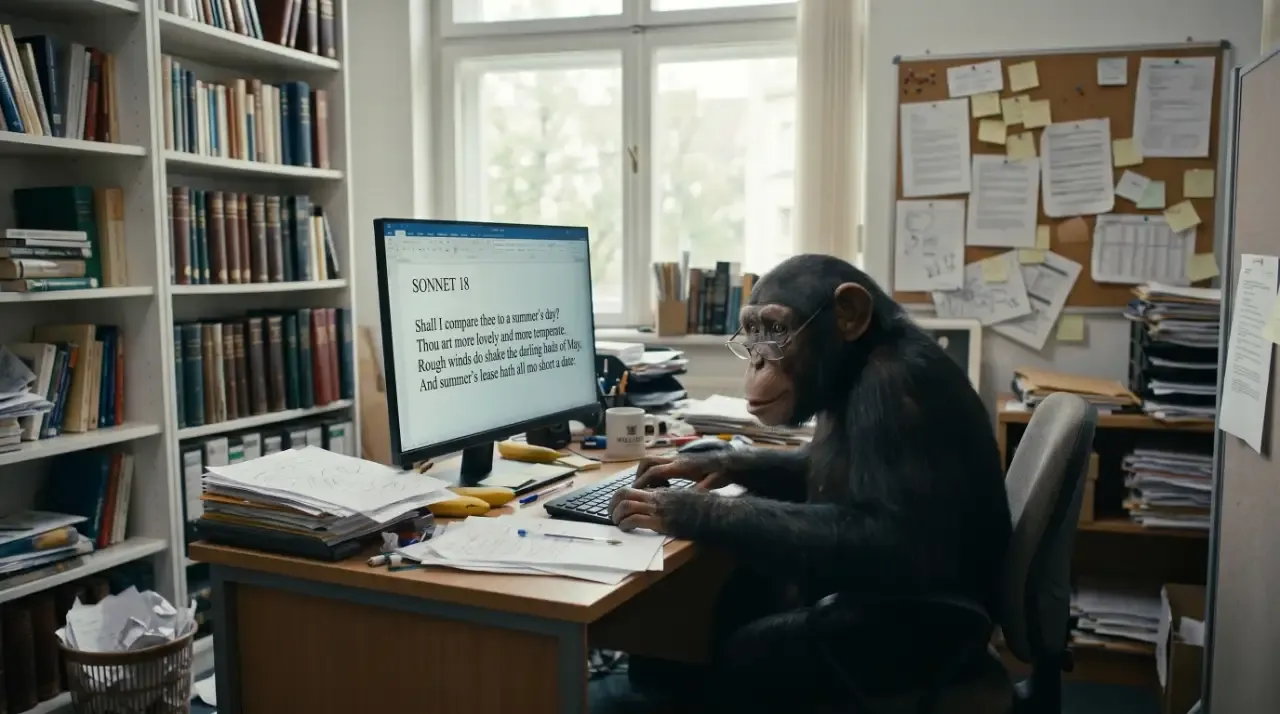
Words & Reach
Can AI write your content? What it does well, and where it falls down
Where AI genuinely helps with writing content and where it falls down, plus the honest truth about whether AI content gets penalised. From BrainWeb.
Learn more